
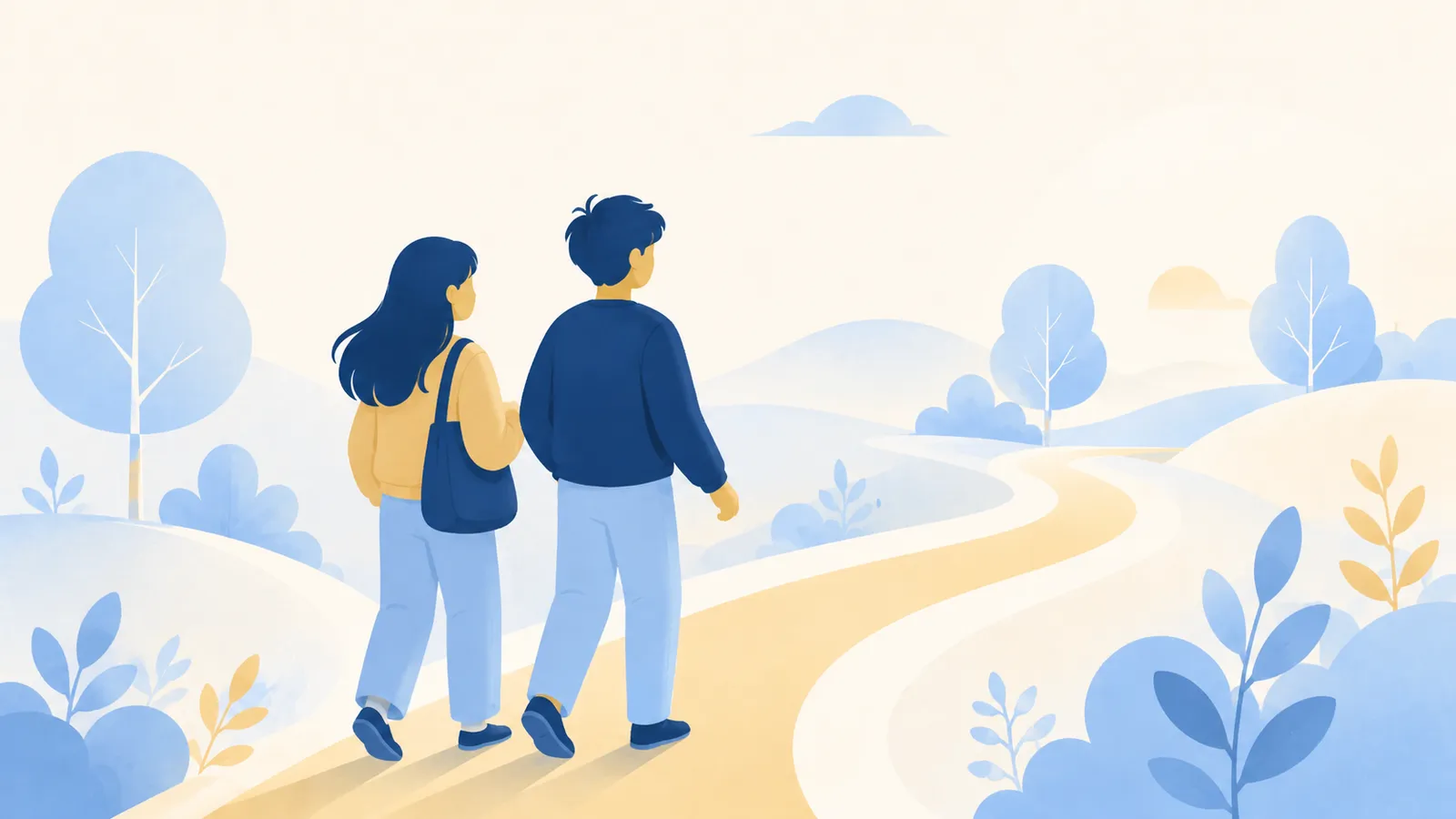
What Is Walk and Talk Therapy?
Walk and talk therapy is a form of counselling where the therapist and client walk side-by-side outdoors while having a therapeutic conversation.
Rather than sitting in an office, sessions take place along quiet walking paths, parks, or green spaces. The pace is gentle and comfortable, allowing the conversation to unfold naturally while moving through the environment.
The therapeutic process remains the same, the difference is the setting.
For some people, this shift in environment can make it easier to open up and engage in meaningful reflection.
Why Being Outdoors Can Support Mental Health
Spending time outdoors has long been associated with positive mental health outcomes. Research has shown that even short periods in nature can help reduce stress, improve mood, and support emotional regulation.
Outdoor environments provide:
- Natural light, which supports mood and sleep cycles
- Reduced sensory overload compared to indoor spaces
- Exposure to calming natural surroundings
- Opportunities for gentle physical movement
When therapy takes place outdoors, these factors can work alongside the therapeutic conversation.
For some clients, the environment itself becomes part of the healing process.
The Benefits of Walk and Talk Therapy
While traditional therapy works well for many people, walk and talk sessions can offer additional advantages.
Movement Can Make Conversations Easier
Walking side-by-side often feels less intense than sitting face-to-face. For individuals who feel anxious about eye contact or long periods of direct conversation, walking can create a more relaxed atmosphere.
Movement can also help release nervous energy and support clearer thinking during difficult discussions.
Nature Can Help Regulate Stress
Natural environments tend to reduce physiological stress responses. The sounds of birds, wind, and trees can create a calming backdrop that helps the nervous system settle.
This can make it easier to process emotions or talk about challenging experiences.
It Can Feel Less Formal
For people who feel unsure about starting therapy, a walk outdoors may feel more approachable than a traditional office setting.
The informal environment can reduce some of the pressure people associate with therapy and make the experience feel more conversational.
It Encourages Presence and Reflection
Walking naturally slows the pace of conversation. Moments of quiet while walking can allow space for reflection, insight, and processing.
Many people find that ideas or emotions surface more easily when they are moving through a calm environment rather than sitting in a structured room.
Who Might Benefit from Outdoor Therapy?
Walk and talk therapy can be particularly helpful for individuals who:
- Feel restless sitting still during conversations
- Experience anxiety in formal environments
- Enjoy spending time outdoors
- Find movement helpful for managing stress
- Want a different therapeutic experience than traditional sessions
That said, outdoor therapy is not the right fit for every situation. Some clients prefer the privacy and structure of an office setting, and both options are valid.
Walk and Talk Therapy at Lotus Counselling
At Lotus Counselling, we offer walk and talk therapy as an option during the warmer months for clients who are interested in trying an outdoor approach.
Sessions take place in calm, quiet outdoor locations that allow for comfortable conversation and privacy. The goal is to maintain the same thoughtful and supportive therapeutic environment while incorporating the benefits of movement and nature.
For many people, outdoor therapy can feel refreshing, grounding, and surprisingly natural.
A Different Way to Experience Therapy
Therapy does not always have to happen within four walls. Sometimes stepping outside can create space for new perspectives, calmer conversations, and meaningful reflection.
As the seasons change and the weather warms, walk and talk therapy can offer a simple but powerful shift in how therapy is experienced.
Frequently Asked Questions
Is walk and talk therapy as effective as traditional therapy?
Yes. The therapeutic approach and conversation remain the same. The main difference is the environment in which the session takes place.
What happens if the weather changes?
Outdoor sessions are typically scheduled during favourable weather conditions. If weather becomes unsuitable, sessions can shift indoors.
Do we walk the entire session?
Sessions move at a comfortable pace. Some moments may involve walking, while others may involve pausing or sitting if needed.
Is it physically demanding?
No. Walk and talk therapy involves gentle walking at a pace that feels comfortable for the client.
Information in this article is educational and not a substitute for medical advice.