OCD & ERP: Beyond the Manual
Two levels of live, supervision-style training in the assessment and treatment of OCD. Start with the foundations, or go deeper into the presentations that do not follow the manual.
Our OCD and ERP training now runs at two levels, so you can start where you actually are. The Manual lays the foundation. Beyond the Manual goes further into the harder cases. Both are live, small, and built so you can use what you learn the same week you learn it.
Each session runs 90 minutes, fully virtual, in a small cohort. The small group format means individualized feedback and genuine practice time, not a passive webinar. Each level awards 9 CE credits on completion.
Led by Elisha Schafer, Clinical Director of Lotus Counselling and adjunct professor in McMaster University's Department of Psychiatry and Behavioural Neurosciences.
Two levels, one path
Choose where you are in the work
Both levels are live, small, and built for practicing clinicians. Most clinicians begin with The Manual.
The Manual
Foundations of OCD and ERP
A precise foundation for treating OCD: how to recognize it, how to formulate it, and how to run exposure and response prevention that holds. Built for clinicians who are newer to OCD, or who want their foundations grounded in the current inhibitory-learning model of ERP.
Explore The ManualBeyond the Manual
Advanced OCD and ERP
For clinicians already delivering ERP who want to work further in: the feared meaning underneath the theme, rumination as a compulsion, and the presentations that stall. Best taken after The Manual, or with equivalent experience running ERP.
Explore Beyond the ManualAt a glance
Which level is for you
If you are not sure, start with The Manual. If you are already delivering ERP with confidence, Beyond the Manual may be your entry point.
The Manual
- Practicing clinicians building an OCD and ERP practice, or newer to treating OCD.
- Focus: assessment, formulation, and the mechanics of exposure and response prevention.
- You leave able to recognize OCD by mechanism, formulate a case, build a hierarchy, and run exposure with matched response prevention.
- No prerequisite beyond your current clinical practice.
Beyond the Manual
- Clinicians already delivering ERP who want to go deeper into complex cases.
- Focus: advanced formulation and the stuck, complex presentations.
- You leave able to work at the core fear, treat rumination as a compulsion, and move cases that have plateaued.
- Prerequisite: The Manual, or equivalent experience running ERP.
The Manual · Foundations of OCD and ERP
Six sessions, from recognition to keeping progress
The level most clinicians take first. It builds the whole arc: seeing OCD clearly, understanding why exposure works, and carrying a case from first assessment through to holding the gains.
Building an Understanding of OCD
Recognizing OCD by mechanism rather than by theme. The maintaining cycle and why relief is the engine, the ego-dystonic core, insight as a spectrum, and the breadth of presentations. Introduces the Y-BOCS symptom checklist as a recognition map.
The Case for ERP Treatment
The four C's, the evidence base, and the shift from the older "wait for the anxiety to come down" thinking to the inhibitory-learning model of expectancy violation. Where treatment starts: psychoeducation and symptom monitoring.
Building an ERP Treatment Plan
The two halves in depth. How exposure and response prevention differ, why every exposure carries a matched response prevention, how to build a working hierarchy, and where to start. A closer look at danger learning versus safety learning.
Exposure Toolkit
In vivo, interoceptive, imaginal, and scripting, matched to the presentation in front of you. Response prevention sharpened: the difference between a compulsion you dial back to normal and one you eliminate, and how to find what normal actually is.
Accepting Uncertainty and Connecting to Values
Leaning into uncertainty as the real target underneath the work. The stages of acceptance from ACT, values-based exposure, and working with family accommodation and the supports around the client at home.
Maintaining Progress
Using the Y-BOCS to monitor change across a course of treatment, coordinating with medication, reading readiness and treatment-interfering behaviours, and matching level of care to severity and function.
Beyond the Manual · Advanced OCD and ERP
Six sessions into the harder work
The next level, for clinicians already comfortable running ERP. It moves past the protocol into formulation, the feared meaning underneath the theme, rumination as a compulsion, and the cases that stall.
Conceptualizing OCD
Formulating OCD beyond the diagnostic criteria. Reading a presentation as one coherent system rather than a list of symptoms, and building a working model that holds the whole picture and points to where the work goes next.
The Core Fear
Finding and working at the feared meaning underneath the surface theme. The prediction the whole system is organized to prevent, and how getting to it changes what you choose to expose and how far the work reaches.
OCD as a Defence
Understanding compulsions and avoidance as protective strategies, and what the OCD is holding at bay. A more psychodynamically informed lens layered onto ERP, without losing the behavioural spine of the work.
The Hidden Compulsion
Rumination and awareness. Recognizing mental review, rumination, and reassurance-seeking as compulsions the person is actively doing, and building the awareness needed to catch the covert work that keeps the loop alive.
Stopping Rumination
Rumination-focused ERP. Helping the person disengage from the mental ritual rather than try to resolve it, and the shift in agency that makes that disengagement possible.
When Treatment Gets Stuck
Complex and nuanced presentations, plateaus, and the cases that do not follow the manual. Where to look when the standard approach stalls, and how to keep the work moving without pushing.
The same for both levels
A working cohort, not a webinar
- 01
Six weeks, 90 minutes each
One 90-minute session per week for six weeks, with individualized feedback and genuine practice time.
- 02
Fully virtual and live
Live instruction over video, so you can join from anywhere. Not a passive, pre-recorded webinar.
- 03
A small cohort
Small groups mean supervision-style coaching and real space to practice, not a lecture hall.
- 04
9 CE credits
Each level awards 9 continuing education credits on completion.
Who this training is for
Built for working clinicians
Who it's for
- Psychotherapists, social workers, psychologists, counsellors, and graduate trainees.
- Clinicians who want to treat OCD with more confidence, clarity, and efficacy.
- For The Manual, no prior OCD-specific training is required. A basic understanding of OCD and CBT is helpful.
- For Beyond the Manual, comfort running ERP already, whether from The Manual or equivalent experience.
What's included
- Case demonstrations
- Scripts, resources, and worksheets
- Experiential practice
- Supervision-style coaching
Who leads the training
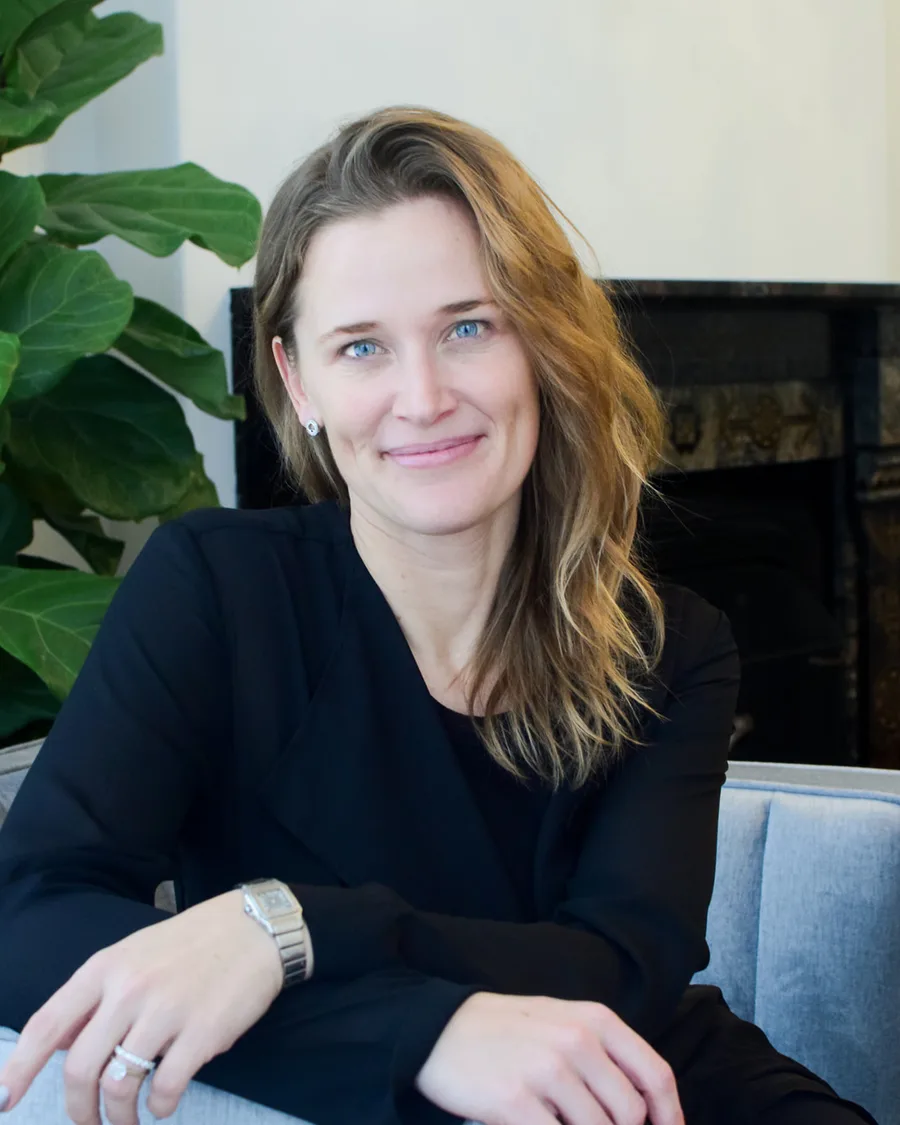
Led by Elisha Schafer
Every cohort of both levels is led by Elisha Schafer, Clinical Director of Lotus Counselling and an adjunct professor in McMaster University's Department of Psychiatry and Behavioural Neurosciences. She built the OCD and concurrent-disorders programs at St. Joseph's Healthcare Hamilton and Homewood Health.
Both levels grew out of that work, designed to put the same clinical methods in the hands of working therapists across Ontario, taught live, in a small supervision-style cohort.
Before you register
Quick question before you join
How did you find this training? A few seconds here helps us reach more clinicians.
Dates and registration
Reserve your place
Registration is $299 CAD (plus 13% HST) for a full six-week level, materials and CE credits included.
Beyond the Manual
Advanced level. The next cohort is the Winter 2027 cohort, running Wednesdays 12:00-1:30PM ET: Jan 6, 13, 20, 27, Feb 3, 10, 2027. The second fall cohort remains open for registration.
The Manual
Foundational level, and where most clinicians start. The next cohort is the Winter 2027 cohort, running Tuesdays 4:00-5:30PM ET: Jan 12, 19, 26, Feb 2, 9, 16, 2027. The first fall cohort remains open for registration.
Not sure which one fits? Compare the two levels, or get in touch and we will talk it through.
After the training
Where theory meets the room
A training gives you the model. The real learning happens later, in the session where the case in front of you does not match the clean example, the client pushes back, and you have to decide what to do next. That is when support matters most.
Ongoing consultation is where a method becomes your own. Bringing a live case to a small group, hearing how someone else would run the exposure, and thinking it through out loud is how the work moves from something you understand to something you can do under pressure. It is also how you stay steady with the harder cases, and how you keep from drifting back into old habits once the training is behind you.
Consultation Group
Beyond the Manual Consultation Group
An alumni-only space to bring a current OCD case and work through it with a small group in real time. A place to keep your practice sharp once the training has ended.
See the consultation groupGroup Supervision
Lotus Group Supervision
For clinicians who want structured, recurring supervision on their OCD work. Reach out to talk through availability and whether it fits where you are in your practice.
See group supervisionFrequently asked questions
Before you register
Which level should I take first?
Most clinicians start with The Manual. It builds the foundation the advanced level assumes. If you are already delivering ERP with confidence, Beyond the Manual may be the right entry point. When you are not sure, start with The Manual.
Do I need to take The Manual before Beyond the Manual?
Not formally. Beyond the Manual assumes you are comfortable running ERP. The Manual, or equivalent experience, is the foundation it builds on. If you already have that grounding, you are ready for the advanced level.
Who is the training for?
It is for psychotherapists, social workers, psychologists, counsellors, and graduate trainees who want to treat OCD with more confidence. For The Manual, no prior OCD-specific training is required, though a basic understanding of OCD and CBT is helpful.
How is the training delivered?
Fully virtually, with live instruction. Each cohort runs one 90-minute session per week for six weeks, in a small group so there is room for individualized feedback and genuine practice.
How many CE credits do I earn?
You earn 9 CE credits on completion of a six-week level. Taking both levels earns 9 credits each.
Who leads the training?
Elisha Schafer, Clinical Director of Lotus Counselling and an adjunct professor in McMaster University's Department of Psychiatry and Behavioural Neurosciences, leads every cohort of both levels.
What does it cost?
Registration is $299.00 CAD (plus 13% HST) for a full six-week level, materials and CE credits included.
Is there support after the training?
Yes. Graduates can join the Beyond the Manual Consultation Group, an alumni-only small-group case consultation, available as a single session or a three-session bundle. Ongoing group supervision is also available.
Questions before you register?
We are happy to help you decide
Reach out and we will answer any questions about fit, levels, cohorts, or CE credits.
or email our office: info@lotuscounsellingservices.ca