
A Structured Path Forward for OCD
For adults whose OCD has begun to limit functioning, independence, or quality of life.
or email our office: info@lotuscounsellingservices.ca
A structured, evidence-based outpatient program for adults (18+) whose OCD has begun to limit daily functioning, independence, and quality of life.
We serve clients across Ontario, offering in-person care in Waterdown and virtual treatment options near Burlington, Oakville, Hamilton, Guelph, Niagara, and Toronto.
Program Overview
More than weekly therapy, short of inpatient care
The Lotus OCD Intensive program was created to bridge the gap in OCD treatment offered in Ontario. It is intended for people living with moderate to severe obsessive-compulsive disorder who need more than weekly therapy appointments but do not require an inpatient treatment program.
Many entering the program are:
- Struggling with employment (off work, unemployed).
- Socially isolated and avoiding both the good and the bad.
- Feeling stuck or living in "a never-ending loop."
- Feeling as if they have "no choice" but to give in to OCD.
Primary treatment goal: meaningful symptom reduction alongside restoration of autonomy and choice. Our aim is to help you reduce compulsions and avoidance so that you regain your ability to make choices, free from OCD.
What makes this different
Precision-focused, rumination-informed ERP
Grounded in Exposure and Response Prevention (ERP), the gold-standard treatment for OCD.
Targeting Core Fears
Not surface triggers.
Eliminating Rumination
And other mental compulsions.
Functional Understanding
Of your OCD patterns and their origins.
Regaining Control
Strategies aim to empower you to take back your autonomy and freewill.
Treatment model & clinical approach
Evidence-based OCD treatment, enhanced
The program is grounded in ERP and enhanced with psychodynamic psychotherapy, rumination-focused strategies, and principles from Acceptance and Commitment Therapy.
Acceptance of Uncertainty
Uncertainty is at the crux of OCD. The refusal to live with uncertainty can be a central driving factor of symptoms. Alongside behavioural therapy, we aim to help build acceptance of uncertainty.
Building Tolerance of Discomfort
OCD symptoms are designed to cope with or avoid discomfort. Learning to tolerate discomfort reduces reliance on compulsions, avoidance, and other short-term coping strategies.
Targeting Rumination
Rumination is often a covert mental compulsion, "mental problem solving" that aims to feel better or prevent feared outcomes. It can be a silent anxiety driver and a key treatment target.
Reconnection with Values
OCD is ego-dystonic, meaning it goes after what matters most. Treatment supports reconnecting with values and building a life that stays open, even while uncertainty remains.
How this fits together: ERP builds learning through experience. These enhancements help clarify what OCD is doing, reduce hidden maintaining processes (like rumination), and strengthen psychological flexibility so gains hold outside the therapy room.
Reassurance, avoidance & safety behaviours
Reducing what keeps OCD running
Education First
Understanding the function of safety behaviours.
Shared Understanding
Collaborative exploration of patterns.
Values-Aligned Reduction
Gradual, purposeful change towards values and goals.
Individualized pacing: each client's journey is unique, and we honour the pace that supports sustainable change.
Assessment & psychiatric collaboration
Measured, coordinated care
Structured Assessment
Treatment begins with a comprehensive clinical evaluation and creating a collaborative treatment plan.
Yale-Brown Scale
Clinical symptom measurements are completed at the beginning, middle and end of treatment to ensure treatment is effective.
Functional Analysis
Understanding OCD patterns and how your individual symptoms operate in the context of OCD will help provide insight and support change.
Collaboration with psychiatry. We work closely with our psychiatry team to ensure timely, comprehensive medical treatment is integrated when needed: medication consultation and coordinated care between therapist and psychiatrist.
Program structure & intensity
A structured outpatient OCD intensive
Frequency and intensity are agreed on collaboratively during treatment planning. Longer sessions are recommended early on, while doing exposures, to leave enough time for processing. The hours per week are set through assessment and gradually reduced over time as you build independence.
Initial phase. Therapist-assisted exposures and regular contact between sessions. Consistent engagement drives progress.
Later phase. Building skills for independent exposure practice and promoting recovery autonomy before program completion.
Treatment delivery options
In-person, virtual, or hybrid
In-Person
Waterdown location.
Virtual
Across Ontario.
Hybrid
Flexible combination.
Between-session support: exposure coaching, monthly WeOCD support group access, and messaging or email support help maintain momentum between sessions.
OCD presentations treated
Many themes, one set of mechanisms
OCD content varies from person to person and this list is not exhaustive. Our treatment targets the underlying mechanisms, so the approach applies regardless of how your OCD presents.
What to expect
The treatment journey
- 1
Intake & Fit Discussion
Initial consultation to determine program suitability, payment options, and getting your assessment scheduled.
- 2
Assessment & Personalized ERP Plan
Comprehensive evaluations and clinical assessments inform a fulsome and uniquely crafted treatment plan designed with your needs in mind.
- 3
Beginning ERP
Knowledge is power, and to fight back against OCD it is essential to fully understand it. We get to know OCD symptoms and origins and begin to learn how and why exposures work. We always start exposure work with therapist support.
- 4
Exposure Progression
Throughout your sessions we gradually and collaboratively discuss opportunities for increasing challenge and work toward building an independent ERP practice outside the therapy office.
- 5
Managing Setbacks
Learning from difficulties and maintaining momentum.
- 6
Increasing Independence
Building sustainable skills for long-term success.
"A journey of a thousand miles begins with one step."
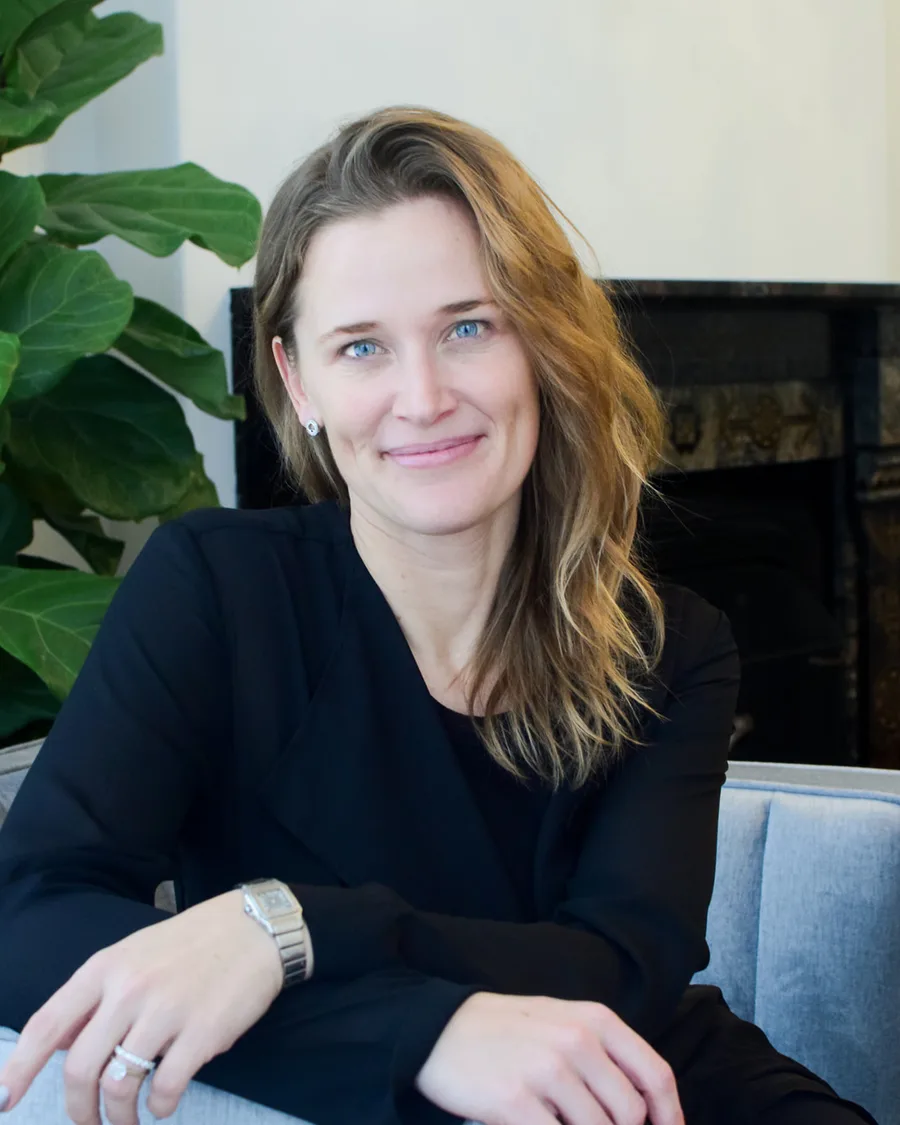
Who delivers the program
Led by our Clinical Director and OCD specialist
The OCD Intensive is delivered by clinicians who specialize in OCD and ERP, led by our Clinical Director and OCD specialist. The same clinical methods used in this program inform the training we deliver to other therapists across Ontario.
Outcomes, philosophy & expectations
How we define success
-
Reduced Compulsive Behaviour
We target not only obvious behavioural compulsions but also subtle covert mental compulsions like rumination.
-
Decreased Avoidance
We begin re-engaging with what is important to you, on your terms, going towards the people, places, and things that matter most.
-
Increased Choice and Agency
Living with OCD can feel like being held hostage as it takes away your freedom to live and act. We aim to restore your autonomy over your life.
-
Engaging in Values-Based Actions
Compulsions, avoidance, and a lack of choice can disconnect you from your values. Reconnecting to your values is an important part of treatment.
Our primary focus is on helping clients build lives not dictated by OCD.
Practical information
The details
Location
Waterdown, Ontario. Virtual access across Ontario.
Serving Regions
Halton, Hamilton, Niagara, Toronto, GTA, Guelph-Wellington.
Wait Time
Less than 2 weeks.
Fees & coverage. Fees are reviewed during your intake consultation so you can make an informed decision about your care. Insurance receipts are provided.
Note: a family physician referral is required for psychiatric consultation.
Serving Waterdown and the surrounding area
Lotus Counselling Services provides OCD intensive treatment from our Waterdown clinic at 299 Dundas Street East, with appointments available to clients across Hamilton, Burlington, Flamborough, Dundas, and the wider Golden Horseshoe. We offer both in-person sessions and secure virtual appointments throughout Ontario, so you can meet with a therapist from wherever feels most comfortable.
Frequently asked questions
Common questions about the program
Is ERP uncomfortable?
It can be. ERP involves intentionally facing feared or avoided situations and resisting compulsions, which can be uncomfortable. However, we work collaboratively to ensure exposures are challenging but manageable, and we pace treatment according to your readiness and values.
Do you provide reassurance?
The short answer is no. Reassurance is a safety behaviour that we will eventually want to stop relying on, because it is a compulsion that temporarily reduces anxiety but reinforces the need for it in the long term. Instead, we help you build tolerance for uncertainty and learn that you can handle discomfort without needing reassurance over time. Everything is gradually introduced.
What if my OCD theme changes?
OCD themes can shift over time, but the underlying mechanisms remain the same. Our treatment targets these core processes rather than specific content, so the skills you learn apply regardless of how your OCD presents.
What if I am not ready?
Readiness is something we explore together during the intake process. We honour where you are and work to understand what might support you in taking the next step. Treatment is most effective when you feel it aligns with your values and goals.
Do you offer intensive OCD treatment near Burlington or Hamilton?
Yes. Our Waterdown location serves clients throughout the Greater Hamilton Area, including Burlington, Hamilton, Oakville, and surrounding communities. We also offer virtual treatment across Ontario.
Is virtual ERP effective for moderate to severe OCD in Ontario?
Yes. Research supports the effectiveness of virtual ERP for OCD. Many clients with moderate to severe symptoms successfully complete treatment online. We provide the same structured, intensive approach whether you attend in-person or virtually.
Ready to take the next step?
Start with a consultation
Contact Lotus Counselling Services today to learn more about the OCD Intensive Program and schedule your consultation.