
Animal Assisted Psychotherapy
Sometimes healing happens differently. Our Animal Assisted Psychotherapy program invites the natural bond between humans and animals into the therapeutic process — creating space for insight, emotional safety, and meaningful change.
What Is Animal Assisted Psychotherapy?
Animal Assisted Psychotherapy (AAP) is a goal-directed, structured form of therapy in which animals — as an integrated part of the treatment process — help clients meet specific therapeutic objectives. Unlike casual animal interactions or emotional support arrangements, AAP is conducted by a trained, licensed mental health professional who incorporates the human-animal relationship as a deliberate clinical tool.
At Lotus Counselling, our therapists use AAP to complement evidence-based approaches such as Cognitive Behavioural Therapy (CBT), trauma-informed care, and mindfulness-based interventions. The presence of an animal can shift the relational dynamic in session — reducing defences, lowering physiological stress responses, and inviting clients to engage with material they might otherwise avoid.
The benefits are not simply anecdotal. Research consistently shows that human-animal interaction lowers cortisol levels, reduces symptoms of anxiety and depression, and increases oxytocin — the neurochemical associated with trust and social bonding. For clients who find traditional talk therapy activating or difficult to access, AAP can provide a gentler, more embodied pathway into the therapeutic work.
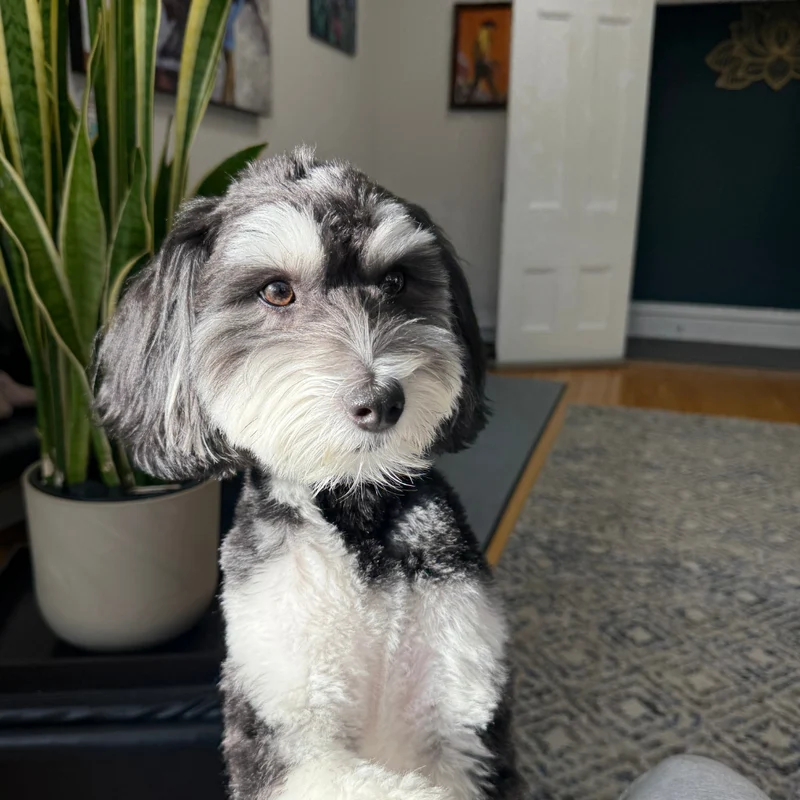
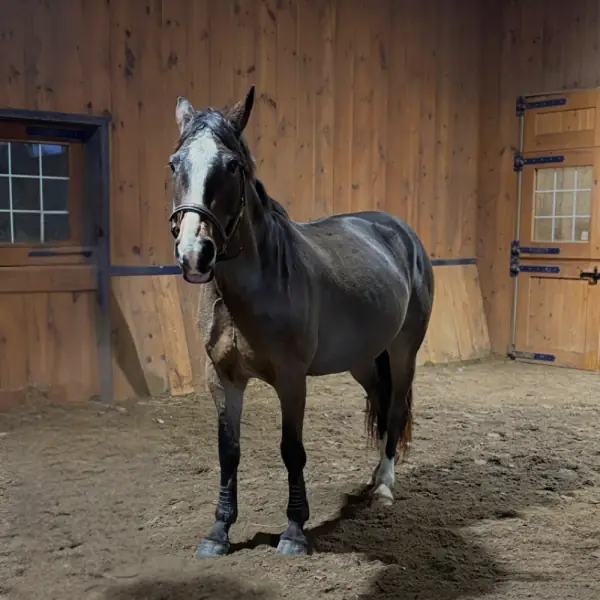
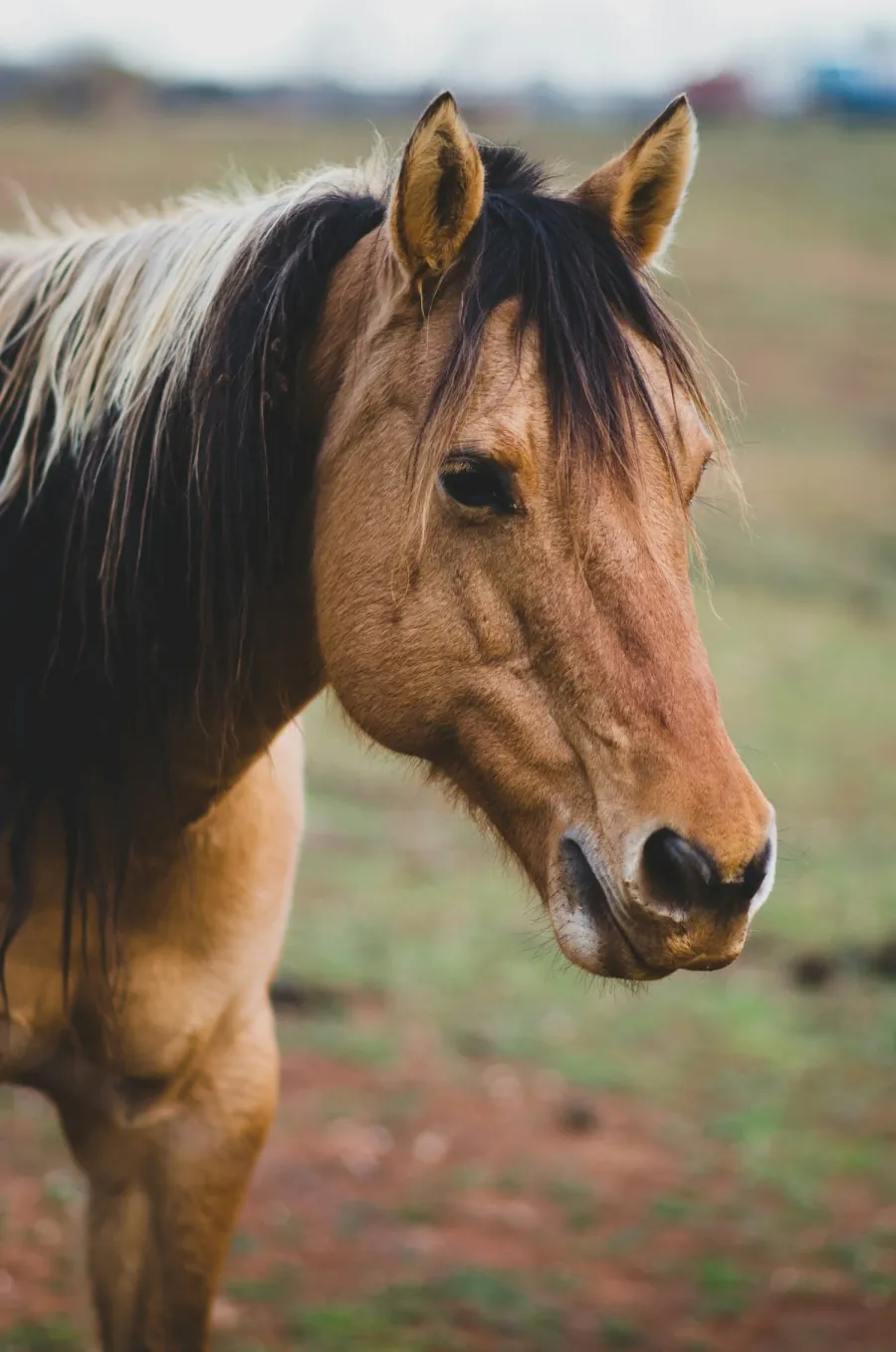
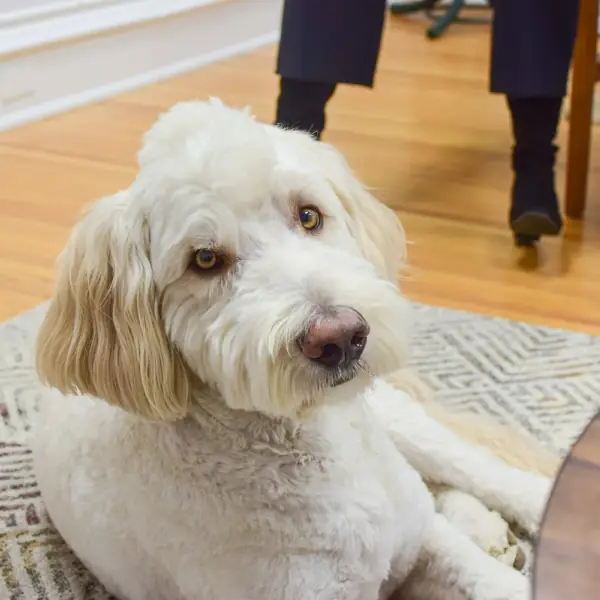
Sessions take place either in-office (with Marvel and Jarvis, our certified therapy dogs) or at our partner equine facility (with Davina, our therapy horse). Both settings are calm, structured, and carefully held by your therapist throughout.
-
Animal Assisted Psychotherapy is provided exclusively by registered, licensed mental health professionals. At Lotus, all AAP sessions are facilitated by therapists trained in both the clinical methodology and animal welfare standards.
-
A therapy dog visit is a wellness activity. AAP is a clinical intervention. Your therapist will have identified goals for you, and the animal's presence is intentionally woven into session to support progress toward those goals.
-
At this time, AAP sessions at Lotus are offered in-person only. Please contact our office to discuss scheduling, availability, and whether this modality is a good fit for you.
How AAP Supports Healing
Animals create a uniquely honest relational space. They respond to our nervous systems, not our words — making them remarkable co-therapists for a range of mental health concerns.
Nervous System Regulation
The rhythmic presence of an animal — a dog's breathing, a horse's movement — can help co-regulate an activated nervous system. Clients often report feeling calmer within minutes of being in the presence of our therapy animals.
Increased Therapeutic Engagement
Clients who may feel guarded or disconnected in traditional sessions often open more freely when an animal is present. The animal acts as a social bridge, creating warmth and psychological safety in the room.
Mindfulness & Presence
Animals exist entirely in the present moment. Their engagement naturally draws clients into a more grounded, embodied state — supporting mindfulness practice in a way that feels organic rather than effortful.
Reduced Anxiety & Depression
Research demonstrates that interaction with animals elevates oxytocin and serotonin while decreasing cortisol. Over time, regular AAP sessions can meaningfully reduce the physiological markers of both anxiety and depression.
Trauma-Informed Connection
For trauma survivors, trust is hard-won. Animals offer nonjudgmental, consistent presence — a form of connection that doesn't carry the complexity or historical weight of human relationships. This can be profoundly reparative.
Skill Building & Insight
Working with a therapy animal — learning to read their signals, respond to their needs, manage your own reactions — can mirror real-life relational challenges and provide rich material for therapeutic reflection and growth.
How AAP Supports Healing
Animals create a uniquely honest relational space. They respond to our nervous systems, not our words — making them remarkable co-therapists for a range of mental health concerns.
#1 Initial Consultation
We begin with a conversation about your history, goals, and whether AAP is a clinically appropriate fit. Not every modality is right for everyone — your therapist will assess this carefully and honestly.
#2 Meet Your Animal Partner
Before beginning sessions, you'll have the opportunity to meet Marvel, Jarvis, or Davina in a relaxed, low-pressure introduction. This helps establish comfort and allows your therapist to observe your initial relational responses.
#3 Goal-Directed Sessions
Each session is shaped by your treatment plan. Your therapist will guide activities and observations involving the animal that are purposefully linked to your therapeutic goals — not simply time spent with a pet.
#4 Reflection & Integration
The latter portion of each session is devoted to processing what emerged. Your therapist will help you draw connections between your experience with the animal and the patterns, beliefs, and relational dynamics you're working on.